
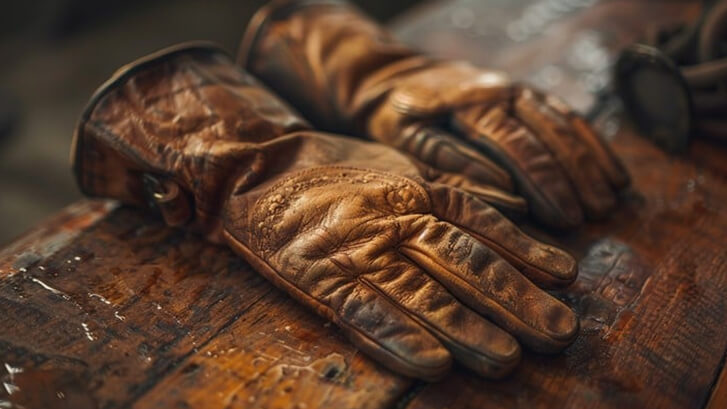
Heat challenges leather in ways many people overlook. When you reach for heat resistant gloves, you expect dependable protection, a steady grip, and comfort under pressure. Still, every glove has a limit, and leather reacts to rising temperatures long before the damage becomes visible.
Moreover, this guide explains how heat affects leather, what temperature turns it weak, and how to choose the proper protection for work, home, and industrial environments. The goal is simple: give you precise, practical guidance so your gloves last longer and keep your hands safe when heat becomes part of the job.
What Temperature Damages Leather Gloves?
Premium hides begin to struggle between 120°C and 150°C. At this range, the fibers inside the material lose moisture and strength. The surface hardens, and small cracks form during contact with hot surfaces.
When temperatures go beyond this point, the structure breaks down fast. This clarity helps you understand at what temperature the material gets damaged and when you must switch to stronger protection.
Tasks with more prolonged exposure or higher temperature require options such as heat proof work gloves or reinforced heat resistant gloves used in industrial zones.
Are Leather Gloves Heat Resistant?
This material offers solid insulation, making it useful during short contact with warm tools or heated equipment. Thick cowhide, goatskin, and deerskin provide dependable comfort and stable control.
Still, every type of hide reaches a limit. When exposure increases, you need lining, reinforced layers, and stitching designed for demanding work environments.
Here, heat resistant safety gloves and heat resistant leather gloves offer stronger performance and reduce the risk of burns in fabrication, welding, and heavy construction work.
Are Leather Gloves Heat Proof?
No natural hide can stay stable under extreme temperatures for long. High flames, molten material, or intense radiant warmth demand heat proof gloves or advanced heat proof leather gloves created for intense work conditions.
These gloves rely on thicker padding, Kevlar stitching, and multi-layer insulation that regular workwear cannot match.
Gloves for High Heat: What to Choose
Work that exposes you to sparks, heated tools, or metal contact requires stronger gear. Your safety depends on selecting the right pair for the job.
Reliable choices include:
- Aluminized leather for extreme conditions
- Kevlar-lined handwear for welding tasks
- Multi-layer resistant heat gloves built for heavy exposure
- Industrial heat resistant gloves for daily hot-surface handling
These options support consistent performance in foundries, mechanical shops, and welding stations where temperature stays high for long periods.
How Leather Reacts to High Heat
This material changes in clear stages as temperature increases:
- At 90–120°C, the fibers dry and tighten.
- At 120–150°C, the surface stiffens and becomes brittle.
- Above 150°C, the hide burns, shrinks, and loses structure.
This progression shows why tasks involving steady exposure demand gear made for high temperature rather than general-purpose handwear.
How to Prevent Heat Damage to Leather Gloves
You protect premium hides and extend their life when you treat your gear with care. These habits help the material stay flexible and dependable.
Keep them Clean
Dust and oil trap warmth and push it deeper into the surface. When grime builds up, the material dries faster and weakens. A simple wipe after each use keeps it healthy and increases its resistance to rising temperature.
Avoid Prolonged Contact with Heat
Even intense heat resistant gloves lose strength when you hold hot tools too long. Short, controlled handling protects your hands and reduces stress on the material.
Store them Away from Sunlight
Direct sunlight dries the surface, removes natural oils, and shortens its lifespan. A cool, shaded storage spot prevents cracking and keeps your gear ready for use.
Choose the Correct Glove for the Job
Many injuries occur because general-purpose handwear gets used for tasks that demand advanced protection. Match your pair to the temperature, tools, and duration of your work. The right choice gives you better performance and stronger safety.
Choosing Heat Resistant Leather Gloves
Your work environment decides the type of gear you need. Look at thickness, lining, cuff length, flexibility, and stitching quality.
Besides, a strong pair supports your grip and movement during challenging tasks. Good heat resistant leather gloves combine comfort and protection, so you stay focused without worrying about temperature changes.
For industrial teams, selecting the best heat proof gloves becomes a safety requirement, not a preference.
When to Upgrade Your Gloves
Consider switching to a stronger pair when you notice:
- Heat is reaching your hands too fast
- Stiffness, cracks, or shrinking
- Direct flame or glowing surfaces near your work
- Tools that stay hot for long periods
Upgrading early protects your hands and prevents sudden failure during intense work.
Conclusion
High temperature changes this material fast, so choose the proper protection for your tasks. Use heat resistant gloves for moderate exposure and switch to stronger, heat proof styles for demanding jobs. With the right pair, you stay safe, confident, and entirely in control around rising temperatures.
