
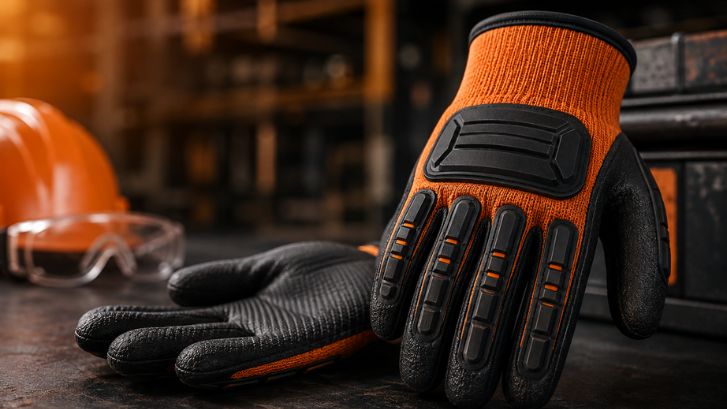
Choosing hand protection gloves without a clear plan often leads to injuries, discomfort, or wasted money. A solid safety gloves guide helps you avoid all those problems before you even step onto the job site.
Every workplace carries different risks, so no single pair of gloves suits every task. Because of this, knowing what to look for before you buy matters as much as wearing the gloves themselves.
This guide breaks down the factors that matter most, so you can decide with confidence.
Why Picking the Right Pair Actually Matters
Hand injuries remain one of the most common workplace injuries in manufacturing, construction, and industrial environments. The safety glove you select directly impacts your safety while performing tasks throughout the day.
Safety work gloves are designed to reduce the risk of cuts, punctures, burns, and chemical exposure. However, the wrong pair can still leave your hands vulnerable, even if it looks protective on the surface.
A structured safety gloves guide is important because it’s not a matter of guessing. Thus, a buyer familiar with the basics will benefit from fewer injuries and lower replacement costs in the long run.
10 Essential Things to Consider Before Buying
Here are the ten essential factors that shape a smart buying decision.
1. Identify Workplace Hazards First
Each workplace has its own hazards. Some environments can have sharp edges, and others can present heat, chemicals, heavy materials, or rough surfaces.
Before selecting work gloves, identify the risks you face each day. Matching the glove to the hazard provides better protection and supports safer working practices.
2. Understand the Different Glove Material Types
Safety gloves are available in materials such as leather, cotton, synthetic blends, and coated fabrics, each offering a different balance of durability and flexibility.
Leather remains a strong choice for general industrial handling, while coated fabrics suit tasks that need extra grip.
3. Check the Required Cut Resistance
Cut resistance levels indicate how well a glove withstands sharp edges and blades. Knowing the right levels helps you choose the one suitable for your work. Higher cut resistance ratings provide greater protection for demanding industrial applications while allowing enough flexibility for everyday tasks.
4. Learn About Safety Standards
Safety ratings help buyers compare gloves more effectively. They indicate how products perform under standardized testing for different workplace hazards.
Understanding safety glove standards allows you to choose ones that meet recognized performance requirements for cut resistance, abrasion resistance, puncture resistance, and tear strength. Always review product specifications before purchasing.
5. Choose the Correct Size
Even high-quality gloves perform poorly when they do not fit correctly.
A proper fit improves finger movement, grip, and comfort while reducing hand fatigue. Gloves that feel too loose may slip during work, while tight gloves can restrict movement and reduce productivity.
6. Consider Grip and Dexterity
Some tasks require workers to handle small components or operate machinery with precision.
Choose gloves that provide a secure grip without limiting hand movement. Good dexterity helps workers complete detailed tasks accurately while maintaining safety.
7. Think About Comfort During Long Shifts
Workers often wear gloves for several hours each day. Therefore, comfort plays an important role in overall performance.
Look for breathable materials, flexible construction, and soft inner linings. Comfortable gloves reduce fatigue and encourage workers to wear them consistently throughout the shift.
8. Evaluate Durability
High-quality protective work gloves offer reinforced stitching, durable materials, and strong construction that withstand demanding working conditions. Investing in durable products often provides better long-term value.
9. Consider Maintenance Requirements
Some gloves require regular cleaning to maintain performance, while others work best as disposable products. Always follow the manufacturer’s care instructions.
Proper cleaning and storage help reusable gloves maintain their protective properties for longer periods.
10. Buy from a Trusted Manufacturer
Reliable manufacturers like ELC prioritize quality materials, consistent production, and product testing.
Choosing gloves from Elite Leather Creations (ELC) helps ensure dependable performance and supports effective hand injury prevention across industries.
Common Buying Mistakes to Avoid
Avoid these common mistakes when purchasing safety gloves:
- Buying gloves based only on price.
- Ignoring workplace hazards.
- Choosing the wrong glove material.
- Wearing gloves that do not fit properly.
- Using damaged gloves beyond their service life.
- Selecting one glove type for every application.
- Overlooking safety ratings and certifications.
How to Make Your Gloves Last Longer
Simple maintenance practices help extend the life of reusable gloves:
- Inspect them before every shift.
- Clean them according to the manufacturer’s instructions.
- Store them in a cool, dry location.
- Keep them away from direct sunlight and excessive moisture.
- Replace them immediately if they show signs of tearing, worn stitching, or reduced grip.
Conclusion
By following this safety gloves guide, you can evaluate workplace hazards, compare materials, understand protection standards, and select those that provide the right balance of safety and comfort.
From durable leather safety work gloves to specialized hand protection solutions, ELC offers dependable performance to support effective hand injury prevention across a variety of industries.
