
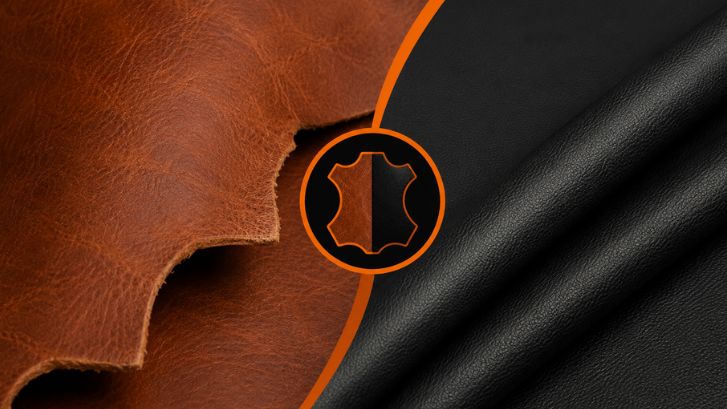
A premium accessory offers more than appearance alone. It reflects comfort, durability, craftsmanship, and long-term value. However, many buyers still struggle to identify whether a product contains genuine leather or artificial material. Since synthetic alternatives now closely imitate the look of authentic hide, spotting the difference has become more challenging.
Understanding these differences helps buyers make informed decisions before purchasing shoes, gloves, bags, jackets, or belts. Genuine leather provides flexibility, strength, and a natural finish that improves with age. Synthetic materials, however, often lose shape and appearance after regular use.
For this reason, many shoppers search questions like, “Is genuine leather real leather?” or “What does ‘genuine leather’ mean?” This guide explains simple and practical ways to identify authentic material without confusion.
What Does “Genuine Leather” Mean?
The term “genuine leather” refers to material made from real animal hide. Manufacturers process the hide through tanning methods to create durable products used in fashion and accessories.
Still, natural hide comes in several grades. Full-grain and top-grain options usually offer better durability and a smoother finish. However, genuine still belongs to the category of real hide because it comes from natural animal skin.
Understanding these terms helps buyers avoid misleading labels and make better purchasing decisions.
Is Genuine Leather Real Leather?
The key difference lies in the source of the material. Genuine comes directly from animal hide, which gives it a natural structure, strength, and flexibility. In contrast, synthetic alternatives are produced using plastic-based materials such as PVC or polyurethane, designed to imitate the look of real leather.
Although synthetic versions can closely resemble the surface appearance, they often fall short in texture, breathability, and long-term durability. Over time, they do not age in the same natural way and may lose their original finish. For this reason, many buyers who focus on lasting value and performance tend to choose materials derived from natural hide.
Check the Product Label
Product labels often reveal important details about quality and authenticity.
- 100% real hide
- Genuine hide
- Full-grain
- Top-grain
In contrast, labels mentioning “PU,” “man-made material,” or “synthetic” usually indicate artificial alternatives.
Price can also help buyers identify authenticity. Since natural hide requires careful processing and skilled craftsmanship, authentic products generally cost more than synthetic options.
Examine the Surface Texture
Surface texture provides one of the clearest signs of authenticity. Natural hide contains pores, wrinkles, grain changes, and small imperfections because every animal’s skin differs slightly. Therefore, authentic products rarely appear completely uniform.
Synthetic materials usually feature repeated patterns and a smoother finish because machines create the texture artificially. Small variations in grain and texture often indicate genuine material.
Feel the Material by Hand
Texture and flexibility reveal important differences between authentic and synthetic materials. Genuine leather feels soft, flexible, and slightly warm because natural fibers remain within the material structure. When gentle pressure is applied, the surface forms subtle wrinkles similar to natural skin.
Synthetic alternatives often feel colder, smoother, and more rigid. Since manufacturers use artificial compounds during production, the material lacks the softness and adaptability found in authentic hide.
This difference becomes easier to notice in gloves, handbags, shoes, and jackets, where comfort matters significantly.
Smell the Material Carefully
Authentic hide carries a rich and natural scent that many buyers recognize immediately. The smell comes from treated animal skin and natural fibers.
Synthetic materials usually produce a chemical or plastic-like odor because manufacturers rely on artificial compounds during production. Besides, a strong chemical smell often signals synthetic material rather than real leather.
Use the Water Test
The water test offers another simple way to identify authentic material. Place a small drop of water on the surface. Genuine material absorbs moisture slowly because natural pores exist within the structure. Synthetic alternatives usually repel water instead of absorbing it. However, buyers should perform this test carefully on delicate products.
How Long Will Genuine Leather Last?
One of the strongest advantages of genuine hide lies in its durability. High-quality products can maintain their appearance, strength, and comfort for many years with proper care.
Unlike artificial materials, authentic hide develops a richer appearance over time. Regular use often enhances its character naturally.
Synthetic alternatives usually show wear much earlier. Cracking, peeling, and stiffness become more common because artificial materials lack the resilience of natural fibers.
Proper cleaning, conditioning, and storage help maintain quality and appearance for years.
FAQs
Q: How to tell synthetic from real leather?
Q: What Is Another Name for Genuine Leather?
Q: What is the symbol for genuine leather?
Q: Does fake hide smell like the real one?
Q: What are the five random tests on leather?
Conclusion
Understanding the difference between authentic and synthetic materials helps buyers choose products with greater confidence. By checking texture, smell, flexibility, and surface details, shoppers can more accurately identify genuine leather and invest in products that offer durability, comfort, and lasting value.
