
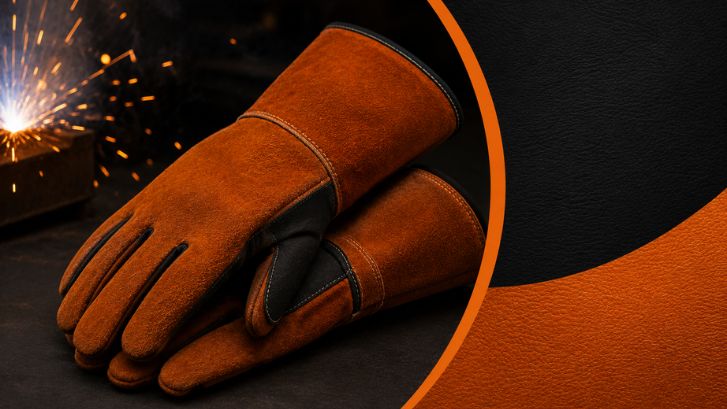
One wrong pair can turn a simple job into a painful experience. That is why choosing the right welding gloves matters more than most people think. In welding work, your hands face heat, sparks, sharp edges, and constant pressure. So comfort and safety must work together.
Welding gloves are not just protective gear. They keep your hands safe while you stay focused on the task. At the same time, they help you maintain grip and control during long working hours. However, not every pair offers the same level of safety or comfort. Some feel stiff, while others fail under heat.
So, making the right choice becomes important from day one. In this guide, you will understand how to choose better and how ELC leather gloves support real industrial needs.
Understanding Welding Risks
Before choosing gloves, you need to understand the risks clearly. Welding involves heat, sparks, molten metal, and sharp edges. Each of these can harm your hands in seconds.
Hot metal can cause serious burns. Sparks can fly without warning. Sharp edges can lead to cuts and scrapes. So hand protection is not optional, it is part of the job.
That is why good gloves make a real difference. They reduce injury risk and improve grip. As a result, you work with more confidence and control. ELC designs protective handgears for these real conditions. For heavy-duty protection, Pulse welding gloves offer strong pulse resistance, flexibility, and comfort for industrial tasks.
Types of Leather Used in Welding Gloves
Leather choice directly affects the performance of welding gloves. Different leather types handle heat, grip, and comfort in different ways. So understanding them helps you pick better.
Cow Split Leather for Heat and Strength
Cow split leather handles heat and abrasion very well. It stays strong in tough working conditions and supports heavy use. You will see it in Emerald and Orchid welding protective handgears, where durability and protection matter most.
Cow Grain Leather for Better Grip
Cow grain leather improves grip and control during work. It helps you hold tools and hot metal with more stability. Dandelion welding gloves use cow grain leather on the palm to improve handling and precision.
Sheepskin Leather for Soft Comfort
Sheepskin leather feels soft and flexible on the hands. It reduces fatigue during long working hours and supports smoother movement. You can find it in Pulse and Fallow protective handgears , where comfort is a key priority.
Best Gloves for MIG, TIG & Stick Welding
Different welding methods demand different hand protection, so one design never fits every task. Each process brings its own heat level, precision needs, and risk exposure. Choosing the right pair improves both safety and control on the job.
MIG for Strong Grip and Control
MIG work creates high heat and frequent sparks. So durability and grip matter most. Strong leather options that balance toughness and control work best here. They help reduce strain during long hours and support steady handling of tools and metal.
TIG for Precision Work
TIG work focuses on detail and accuracy. So lighter and more flexible options perform better. Soft leather helps improve finger movement and reduces stiffness. This makes it easier to manage fine, controlled movements without losing comfort.
Stick for High Heat Protection
Stick work exposes hands to intense heat and rough conditions. So stronger protection becomes necessary. Heat-resistant leather handles sparks and abrasion well while keeping hands safer during heavy-duty tasks.
Light and General Factory Use
Not every task involves extreme heat or pressure. Some jobs need comfort and flexibility instead. Softer materials help reduce fatigue and support smoother hand movement during general handling and assembly work.
Product Spotlight: ELC Welding Gloves
Dandelion Gloves
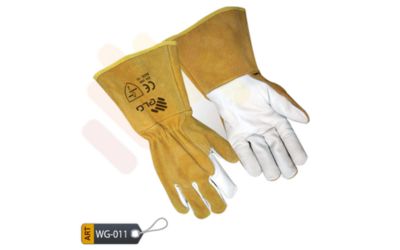
Dandelion welding protective handgear use cow split and cow grain leather for strong protection. They include a full index finger design for flexibility and a safety cuff for wrist safety. They follow EN 388 standards and protect against abrasion, tear, and cuts. These gloves suit rigging and heavy handling tasks. Thickness is around 1.0mm, and they come in multiple sizes for industrial use.
Emerald Gloves
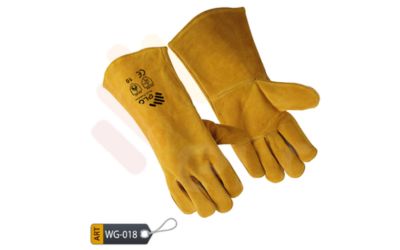
Emerald welding gloves use soft dyed cow split leather for heat resistance and control. The wing thumb design improves movement and grip. These gloves follow EN 407 standards, making them ideal for high-heat environments. The protective cuff adds extra wrist safety during work.
Fallow Gloves
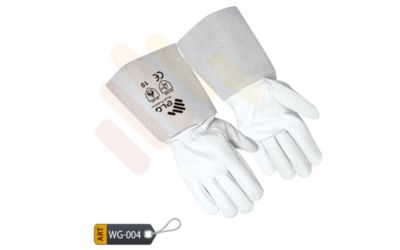
Fallow welding gloves use crust-tanned sheepskin leather for flexibility and comfort. The wing thumb design improves movement, while shirred elastic ensures a secure fit. These gloves work best for light welding, metal handling, and general factory tasks where comfort matters most.
Orchid Gloves
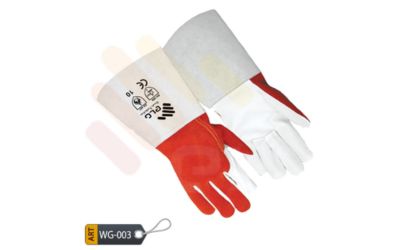
Orchid welding gloves combine cow split and cow grain leather for heavy-duty protection. They include a full index finger design and a wing thumb for better movement. This protective handgear resists heat, cuts, and abrasion, making it suitable for tough welding environments.
Pulse Gloves
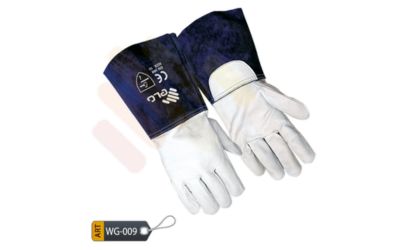
Pulse welding protective handgear uses soft sheepskin leather for maximum comfort and flexibility. They offer strong pulse protection and a wing thumb design for better control. The dyed split leather cuff adds extra safety, making it ideal for long industrial shifts.
Conclusion
Choosing the right welding gloves depends on your work type, comfort, and safety needs. Always focus on material, fit, and protection level before making a decision. ELC provides reliable options like Dandelion, Emerald, Fallow, Orchid, and Pulse protective handgear that meet real industrial demands while ensuring comfort and safety.
