
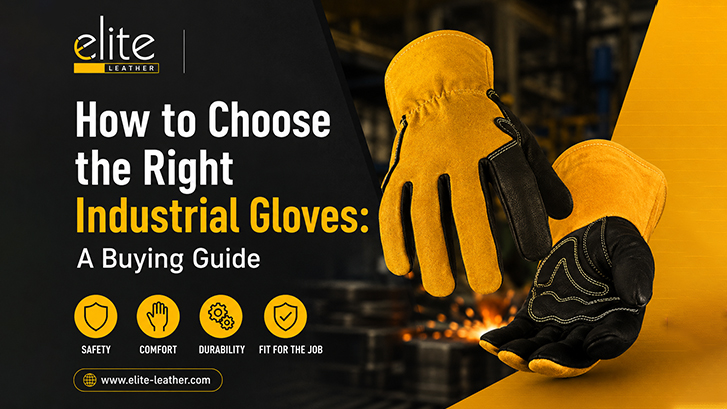
Hand injuries are one of the most common problems in industrial workplaces, and the wrong gloves can make them worse. Choosing between leather vs synthetic gloves isn’t just about comfort—it’s about keeping your hands safe from cuts, burns, and slips.
Leather gloves provide strong, long-lasting protection for tough, heavy-duty tasks. Synthetic gloves give flexibility, better grip, and perform well in wet or oily conditions.
This guide will help you understand how to choose industrial gloves that truly protect your hands and make your work safer and easier.
Why Choosing the Right Industrial Gloves Matters
Choosing the right gloves is not just about comfort. It directly affects your safety and performance.
When workers ignore this, small risks turn into serious injuries. Cuts, burns, and chemical exposure can happen quickly. That is why learning how to choose industrial gloves becomes essential.
Also, the right gloves improve efficiency. You work faster when your grip feels secure. You stay focused when your hands feel comfortable. So, smart choices always lead to better results.
Factors to Consider When Choosing Industrial Gloves
Assess the Application
First, understand your task clearly. Every job needs a different glove. So, always start with how to choose industrial gloves based on your work.
If you handle small parts, you need high dexterity. That means lighter and more flexible gloves. However, heavy tasks require thicker and stronger materials.
Fit also matters. Gloves should feel natural on your hands. If they feel tight or loose, your work will suffer.
Grip plays a key role too. Wet or oily surfaces need better grip. So, coatings on types of gloves ppe help improve control and reduce risk.
Determine the Hazard
Next, identify the risks around you. This step makes how to choose industrial gloves more accurate.
Sharp tools create cut hazards. So, you need strong cut-resistant gloves.
Chemicals require special protection. In that case, types of gloves, PPE such as nitrile or coated gloves work better.
If you deal with heat or cold, choose gloves that handle temperature changes. Electrical work also needs insulated gloves for safety.
Focus on Job-Specific Needs
Now, go deeper into your job details. This step helps refine how to choose industrial gloves further.
For example, if you need cut protection, check the safety level required. Different tasks demand different levels of strength.
Also, think about where your gloves wear out the most. Do they tear at the palm or fingers? That insight helps you choose better next time.
Understand Current Limitations
Finally, review what your current gloves lack. This step improves how you approach choosing industrial gloves.
Ask simple questions. Do your gloves last long enough? Do they protect you fully?
If not, you need a better option. So, always compare performance, cost, and durability before making a decision.
- Leather Gloves:
- Synthetic Gloves:
- Cut-Resistant Gloves:
- Chemical-Resistant Gloves:
- Heat-Resistant Gloves:
These gloves handle heavy-duty work. They protect against heat, cuts, and rough surfaces. So, they suit construction and welding tasks.
These gloves offer flexibility and a strong grip. They work well in wet or oily conditions. So, they suit assembly and chemical tasks.
These protect against sharp tools. Workers in the metal and glass industries rely on them.
These handle harmful liquids and chemicals. They work best in labs and industrial plants.
These protect from high temperatures. Welding and foundry work often requires them.
So, when you explore types of gloves ppe, always match them with your job needs.
Leather vs Synthetic Gloves: What Should You Choose?
Now let’s come back to the core question.
In leather vs synthetic gloves, leather stands strong in heavy-duty tasks. It lasts longer and handles heat better.
On the other hand, synthetic gloves offer flexibility and better grip in wet conditions. They also require less maintenance.
So, the right answer depends on your environment. If your work feels rough and intense, leather works better. However, if your tasks need precision and speed, synthetic gloves make more sense.
Conclusion
In the end, knowing how to choose industrial gloves makes all the difference. So, focus on your task, risks, and comfort. When you match gloves with your work, you improve safety, performance, and confidence every single day.
