
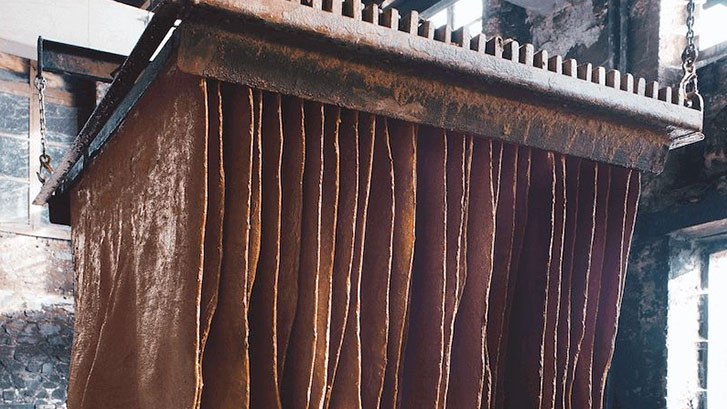
Leather hits different when you actually understand what goes into it. That smooth texture, that durability, that premium feel all come from the leather tanning process. Without it, raw hides would decay, smell, and lose strength within days. So, this process does more than preserve, it transforms.
At the same time, the leather tanning process carries years of craft and evolution. From traditional bark-based methods to modern chemical techniques, each step shapes how hide looks, feels, and performs. Moreover, every stage adds value, from cleaning the hide to giving it color and finish.
So, if you’ve ever wondered why some leather feels rich while others feel average, the answer starts here. Let’s break it down in a way that actually makes sense.
What Are the Steps in Tanning Leather?
1. Pre-Tanning: Preparing the Hide
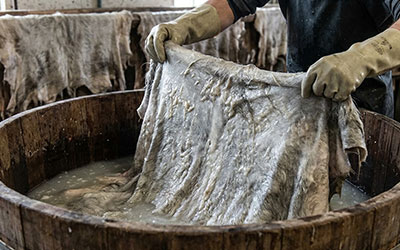
First, workers clean the raw hides. They soak them to remove salt, dirt, and blood. Then, they remove hair and extra fat. After that, they press and stretch the hides to remove water.
This stage matters because it sets the foundation. If this step goes wrong, the final leather will never feel right.
2. Tanning: The Real Transformation
Next comes the core of the process. Here, the hide changes at a molecular level. It becomes stable, strong, and resistant to decay.
Workers use different methods to tan leather, such as chrome or vegetable tanning. Each method creates a different texture and finish. So, this step decides whether the leather feels soft, firm, or somewhere in between.
3. Selecting: Choosing Quality
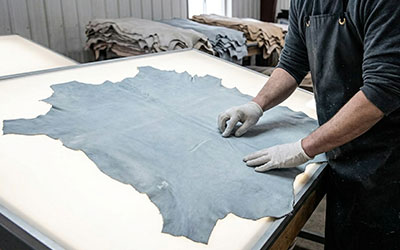
After tanning, workers sort the leather. They check for marks, scars, and natural flaws. Then, they group pieces based on quality.
This step ensures only the best leather moves forward. It also explains why some products feel more premium than others.
4. Dressing: Adding Feel and Color
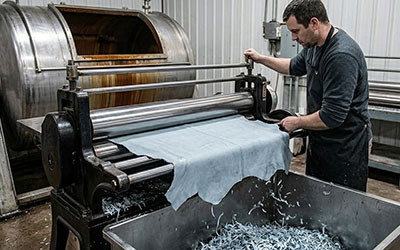
Now the leather starts to come alive. Workers shave it to make the thickness even. Then, they dye it to add color and softness.
After that, they dry and trim the hide. This step shapes how the leather feels in your hands.
5. Finishing: Final Touch
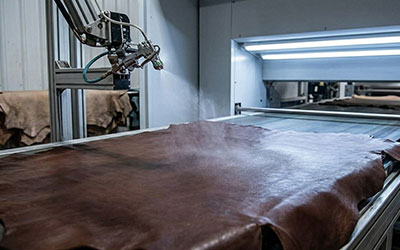
Finally, workers refine the surface. They add coatings for shine, protection, and durability.
At this stage, the leather gets its final identity. It may look glossy, matte, or textured, depending on the design.
How Long Does Leather Take to Tan?
Timing plays a big role in the leather tanning process. Some methods move fast, while others take patience.
For example, chrome tanning can finish within 24 hours. That’s why it suits large-scale production. On the other hand, vegetable tanning can take weeks. It slowly allows natural tannins to tan leather deeply.
So, faster methods help with volume, while slower methods focus on character and depth. That trade-off matters when choosing hide.
Types of Leather Tanning Methods
Chrome Tanning
This method uses chromium salts. It works quickly and produces soft, flexible hide. Also, it resists water and heat well. That’s why most modern leather goods rely on this method.
Vegetable Tanning
This method uses natural tannins from tree bark. It takes more time, but it creates firm and rich leather. Over time, it develops a unique patina. So, many premium brands prefer this method for long-term use.
Synthetic Tanning
This method uses man-made chemicals. It allows better control over texture and color. However, it may not offer the same natural depth as vegetable tanning.
Oil Tanning
This method uses oils to soften the hide. It creates a flexible and breathable material. That’s why it works well for gloves and soft accessories.
What is the Best Leather Tanning Process?
- There is no single answer, because different needs require different methods.
- If you want speed and consistency, chrome tanning works best. It supports large-scale leather manufacturing and keeps costs lower.
- If you want durability and a natural finish, vegetable tanning stands out. It takes longer, but it ages better over time.
- If flexibility matters, oil tanning creates softer leather, especially for gloves and accessories.
- If control over texture and color matters, synthetic tanning offers more flexibility.
Why the Leather Tanning Process Matters
- The process defines the strength and lifespan of hide.
- It controls how hide feels, whether soft, firm, or textured.
- It also impacts color, finish, and overall appearance.
- Without proper tanning, hide would crack, decay, and lose its value quickly.
- With the right process, the hide stays durable and reliable for years.
