
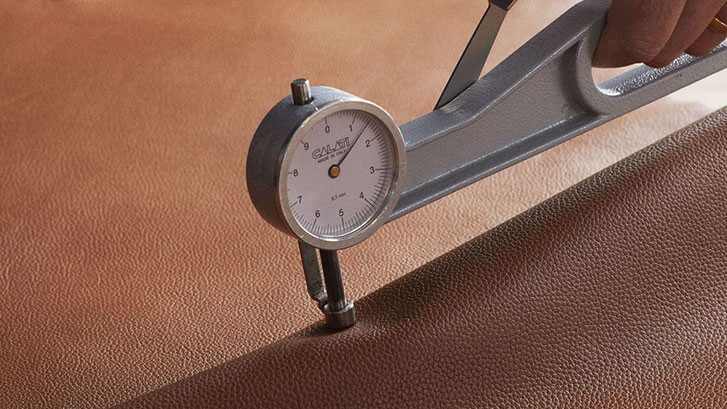
You can feel the difference the moment you touch real quality. That’s where leather testing comes in. It tells you if a product will last or disappoint.
When you buy gloves, shoes, or bags, you expect durability and comfort. However, not every product meets that standard. That’s why brands rely on leather testing to check strength, texture, and performance before selling. It helps them avoid weak materials and poor finishes.
At the same time, this process builds trust. You know what you’re buying holds real value. So, whether you shop for style or durability, leather testing ensures you get both. Let’s break down how it works and why it truly matters.
What is Leather Testing?
Leather testing checks if the material meets quality, strength, and durability standards. It helps brands confirm that every product performs well in real life.
Moreover, this process looks at thickness, flexibility, and finish. It ensures the material handles daily wear without damage. At the same time, leather inspection supports this step. Experts check for visible flaws before testing begins.
So, testing and inspection work together to maintain consistency and quality.
How Do You Test if It’s Real Leather?
Texture and Surface Check
Real leather feels natural and slightly uneven. It shows small pores and subtle marks because it comes from real hide.
At the same time, fake material often looks too perfect. It feels overly smooth and uniform. So, if everything looks identical, that’s a red flag.
Press and Flex Test
Next, press the surface gently. Real hide forms small wrinkles and then returns to shape. This shows natural elasticity and strength.
Also, when you bend it, it should not crack or crease sharply. Instead, it should flex smoothly. This behavior shows that the fibers stay strong and connected.
Smell and Edge Check
Then, notice the smell. Real leather carries a rich, earthy scent that feels natural. On the other hand, synthetic material often smells like plastic or chemicals.
Now check the edges closely. Real leather shows rough and fibrous edges. It does not have sealed or overly smooth sides. This small detail often reveals the truth quickly.
Water Drop Test (Quick Tip)
You can also place a small drop of water on the surface. Real leather absorbs it slowly, while fake material lets it sit on top.
These simple checks help in daily situations. However, brands still rely on advanced leather testing to confirm authenticity with precision.
How to Check for Quality Leather?
Grain and Structure
If you wonder how to check for quality leather, start with the grain. Full-grain leather keeps the natural surface intact. That means better strength and longer life.
Moreover, top-quality leather does not hide its marks. Instead, it embraces them as proof of authenticity.
Flexibility and Feel
Next, bend the material slightly. High-quality leather feels soft yet firm. It moves naturally without stiffness or cracks.
At the same time, it should not feel too thin or too rigid. Balance here shows proper processing and good raw material.
Finish and Consistency
Also, observe the surface finish carefully. A good finish looks even but not overly glossy. It should enhance the natural look, not hide it.
In addition, check color consistency. The shade should stay uniform without patches. Proper leather inspection ensures no weak areas remain.
Stitching and Backing
Look beyond the surface as well. Check the stitching around the product. Clean and tight stitching supports durability.
Also, inspect the backside if possible. Good hide shows a soft, suede-like texture underneath. That confirms quality.
So, quality checks go beyond appearance. They focus on how the material feels, behaves, and lasts over time.
How to Test for Leather Strength and Durability
- They test tensile strength to see how much force it can handle.
- They check abrasion resistance to measure wear over time.
- They test color fastness to ensure the dye stays intact.
- They also check water resistance for durability in different conditions.
Through these steps, hide testing ensures the material performs in real-life use.
Leather Testing Standards You Should Know
Brands do not rely on guesswork. They follow strict leather testing standards to maintain quality.
These standards guide how to test strength, flexibility, and finish. They also ensure products meet global expectations. Moreover, hide testing standards create consistency across batches.
So, every product delivers the same quality, no matter when you buy it.
Why Leather Testing Matters for Quality Assurance
- It ensures durability and long-term performance.
- It helps brands avoid defects and weak materials.
- It builds customer trust and brand credibility.
- It ensures products meet quality expectations every time.
Without proper testing, even good designs can fail. However, with strong leather testing, products stay reliable and consistent.
